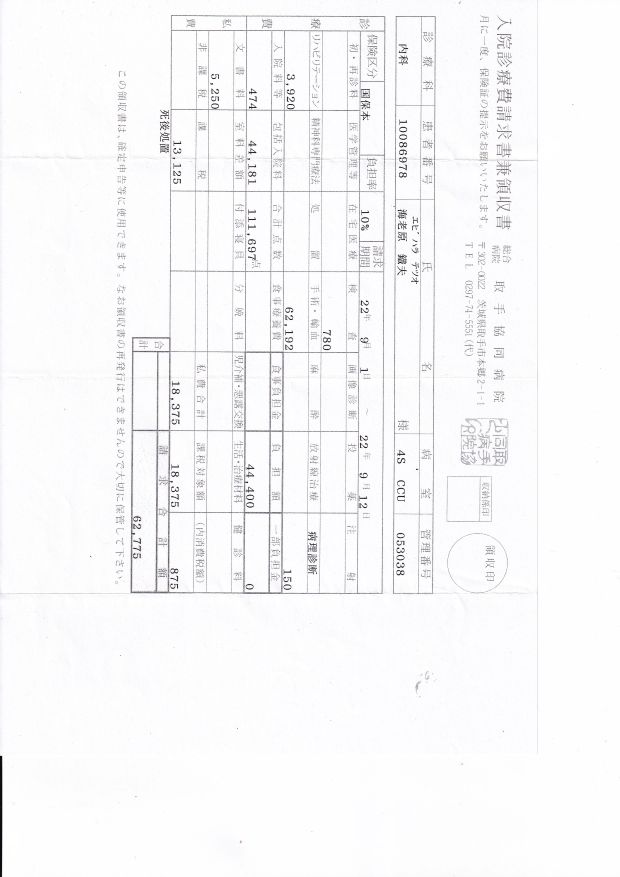
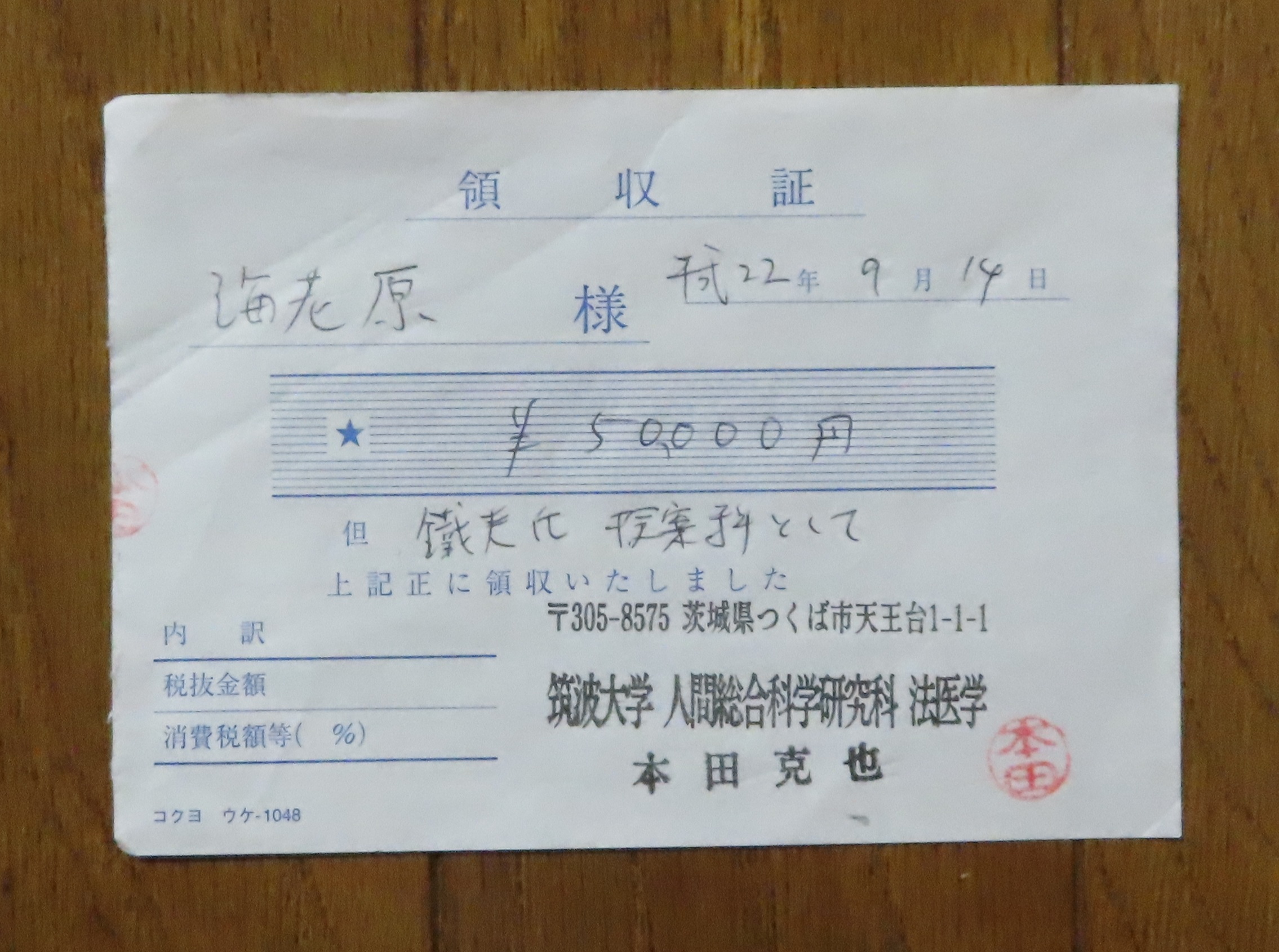
Physical, Financial, and Medical Proof of Institutional Erasure
This section provides an organized list of the primary evidence related to the patient’s medical death, the suspected falsification of cause of death, and the subsequent institutional obstruction. Materials are grouped by category and will be progressively published in redacted PDF/MP3 form with cryptographic hashes (SHA-256) to ensure integrity. :contentReference[oaicite:2]{index=2}:contentReference[oaicite:3]{index=3}
To record the true fatal course without immediate legal liability, the hospital utilized a pseudonym, "Tamaki Ishikawa," for shadow documentation.
The "Failed Scrub": After the patient’s death, the hospital began a process to rewrite the Ishikawa logs under the victim’s real name. However, they failed to destroy the original Ishikawa ventilator checksheet.
This case concerns a death following medical intervention in Japan that presents indicators of intentional lethal acts within a hospital setting, rather than an accidental medical error. The central issue is not the fatal outcome itself, but a sequence of actions in which treatment was not pursued in good faith, life-saving options were withheld, and the clinical course was steered toward death. After death, circumstances warranting independent scrutiny appear to have been systematically reclassified as natural causes through coordinated medical representations, post-mortem mischaracterization, and administrative processing. Taken together, the materials raise serious questions about the failure—and possible subversion—of medical, forensic, and oversight safeguards intended to prevent such outcomes.
Core medical documentation from August–September 2010.
Unaltered audio captured during critical interactions.
Documents related to postmortem certification, autopsy claims, and legal intervention.
To make the archive internationally reviewable, each item will be published with:
This structure enables independent verification by:
QmXcW1WfbczUpRbh7ZCak68brQzv5HpP8w31MxATom1UHh